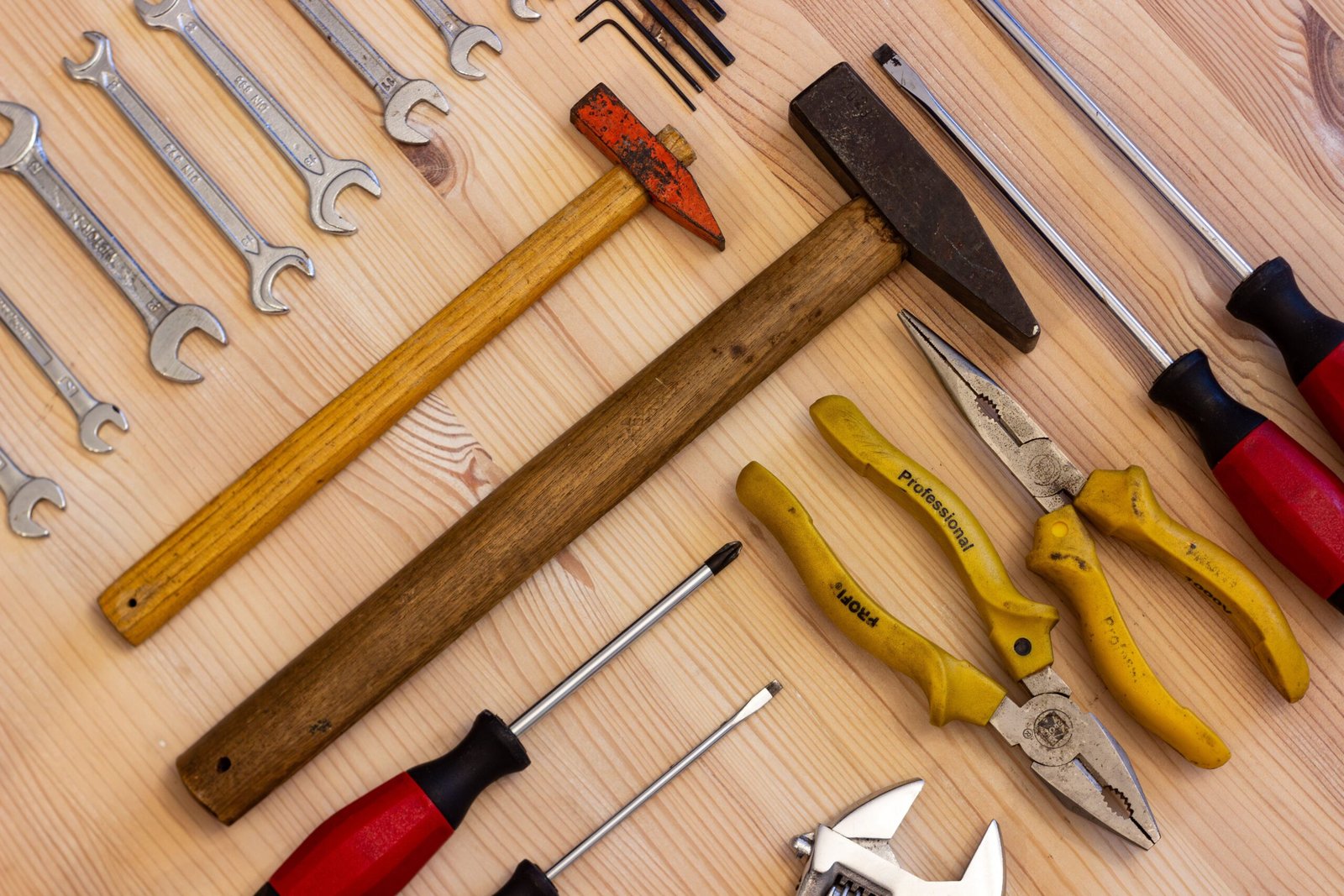
Tools Every Homeowner Needs: The 12 Best Essentials for Your First Tool Kit
The first week in a new home always brings a small surprise. A wobbly towel bar. A door that won’t latch. A blind that needs hanging before you can sleep in. Without the right tools, every one of those becomes a trip to the hardware store.
These are the tools every homeowner needs to handle everyday fixes, assemble furniture, and hang things on the wall without calling for help. If you’re renting your first place instead, our first apartment checklist covers the basics for week one.
This post contains affiliate links. As an Amazon Associate, we earn from qualifying purchases.
What’s Inside
Why Every First Home Needs a Tool Kit
A good tool kit pays for itself quickly. Most small home repairs take minutes with the right tool and an afternoon without it. You don’t need a garage full of equipment. Twelve well-chosen tools cover the large majority of jobs in a typical home.
Buy quality where it matters, like your drill and screwdrivers, and save on the tools you’ll rarely use.
Essential Hand Tools
1. Multi-bit screwdriver set
Screws come in more shapes than you’d expect: Phillips, flat, square (Robertson, the Canadian standard), and Torx. A multi-bit set with a comfortable handle covers them all and takes up little space. [Amazon link]
2. Claw hammer
For hanging pictures, tapping furniture together, and pulling out old nails. A 16-ounce hammer with a rubber grip is the right size for most homeowners. [Amazon link]
3. Tape measure
Measure before you buy anything: furniture, curtains, appliances, rugs. A 25-foot tape with a locking button and both metric and imperial markings is the most useful size for Canadian homes. [Amazon link]
4. Utility knife
Opens boxes, trims carpet, scores drywall, and cuts caulk tubes. Choose a retractable knife with snap-off or replaceable blades so you always have a sharp edge. [Amazon link]
5. Adjustable wrench and pliers set
An adjustable wrench handles nuts and bolts of any size, from a loose faucet to a bed frame. Add slip-joint and needle-nose pliers for gripping, bending, and reaching tight spaces. [Amazon link]
Power and Precision Tools
6. Cordless drill/driver
The one power tool every homeowner should own. It drills holes, drives screws, and makes furniture assembly far faster. A 12V or 20V model with two batteries and a basic bit set is plenty for home use. [Amazon link]
7. Level
Crooked shelves and pictures are easy to spot once they’re up. A 24-inch level handles most jobs, and a small torpedo level fits in your kit for tight spaces. [Amazon link]
8. Stud finder
Heavy items like TVs, mirrors, and shelves need to be anchored into a wall stud, not just drywall. A stud finder locates them in seconds and helps you avoid hanging things where they’ll fall. [Amazon link]
Repairs and Maintenance
9. Caulking gun
Gaps around windows, doors, tubs, and sinks let in drafts and water. A caulking gun and a tube of the right caulk seal them in minutes, which matters in a Canadian winter. Natural Resources Canada’s Keeping the Heat In guide explains where homes typically lose heat. [Amazon link]
10. Plunger and drain snake
A flange plunger handles most toilet clogs. A plastic drain snake pulls hair out of shower and sink drains without harsh chemicals. Both are cheap and save you a plumber’s call-out fee. [Amazon link]
Safety and Access
11. Flashlight or headlamp
For checking the furnace, looking under sinks, or finding the electrical panel during a power outage. A rechargeable headlamp keeps both hands free while you work. [Amazon link]
12. Step ladder
Changing light bulbs, cleaning vents, and reaching high shelves all need a safe step up. A lightweight two- or three-step ladder folds flat and stores in a closet. [Amazon link]
Don’t Forget Safety Gear
Add a pair of safety glasses and work gloves to your kit. They cost very little and protect you from flying debris, sharp edges, and splinters, especially when drilling or cutting. [Amazon link]
What to Skip for Now
Some tools sound essential but can wait until you need them:
- Circular saws and other large power tools. Most homeowners rarely use them. Rent or borrow when a big project comes up.
- Giant all-in-one tool sets. They’re often filled with low-quality pieces you’ll never use. Build your kit tool by tool instead.
- Specialty tools. Tile cutters, pipe wrenches, and similar tools are best bought for a specific job.
How to Store Your Tool Kit
Keep everything in one place so you can grab it fast. A sturdy tool bag or a small toolbox with a removable tray works well in a closet or basement. Hang the level and step ladder on a wall hook to save floor space. [Amazon link]
Tools Every Homeowner Needs: Quick Checklist
- Multi-bit screwdriver set
- Claw hammer
- Tape measure
- Utility knife
- Adjustable wrench and pliers set
- Cordless drill/driver
- Level
- Stud finder
- Caulking gun
- Plunger and drain snake
- Flashlight or headlamp
- Step ladder
- Safety glasses and work gloves
Start with the tools every homeowner needs, add to your kit as projects come up, and you’ll be ready for most small fixes from day one in your new home.
Frequently Asked Questions
What are the first tools every homeowner needs?
Start with a screwdriver set, a hammer, a tape measure, and a cordless drill. Those four handle most furniture assembly, picture hanging, and small repairs in your first month.
Should I buy a complete tool set or individual tools?
Individual tools are usually better value. Large sets look like a bargain but often include low-quality pieces you’ll never use. Buy the tools every homeowner needs first, then add specialty tools as projects come up.
What tools does a Canadian homeowner need for winter?
A caulking gun and weatherstripping help seal drafts around windows and doors before the cold sets in. Keep a flashlight or headlamp easy to find for winter power outages.